Get the best deals and travel ideas straight to your inbox and feed.
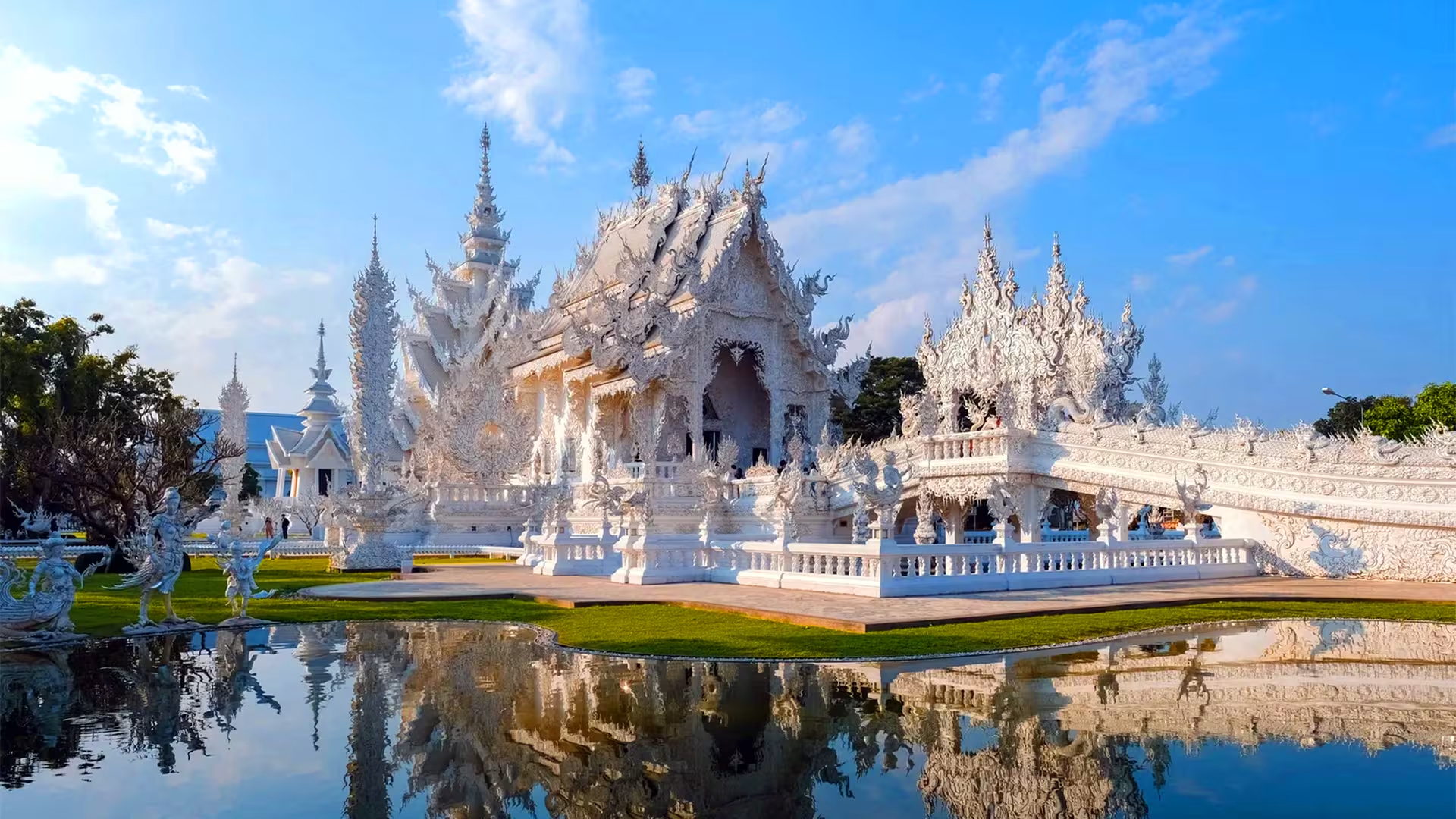
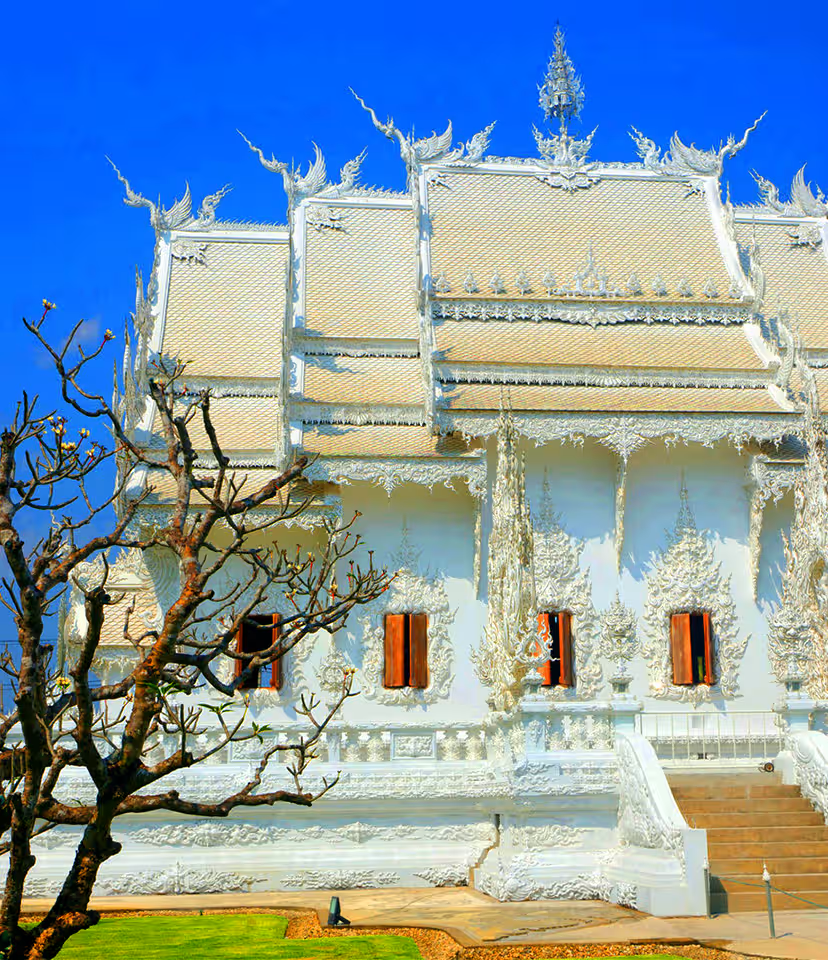

Chiang Rai is home to some of Thailand’s most imaginative temples, where modern artistic vision reinterprets traditional spiritual themes.

The city retains a strong connection to its northern roots, visible in local customs, cuisine, and historic sites.

Rivers, rolling hills, and rural landscapes create a setting that feels open, uncluttered, and restorative.

Chiang Rai remains less frequented than neighboring cities, allowing for quieter exploration and a more personal experience.

Museums, galleries, and temples offer insight into how faith and creativity intersect in northern Thailand.

The city offers comfort, authenticity, and cultural access without excess or congestion.
Chiang Rai offers temple discovery, artistic exploration, scenic drives, and cultural immersion, allowing travelers to experience northern Thailand at a measured pace.
Explore architecturally striking temples that blend traditional belief systems with contemporary design.
Engage with local artistic movements through thoughtfully curated museums and cultural centers.
Travel beyond the city to experience quiet riverbanks, tea plantations, and rural villages.
Enjoy regional dishes shaped by local ingredients and Lanna culinary traditions.
Markets provide insight into local routines, crafts, and regional flavors.
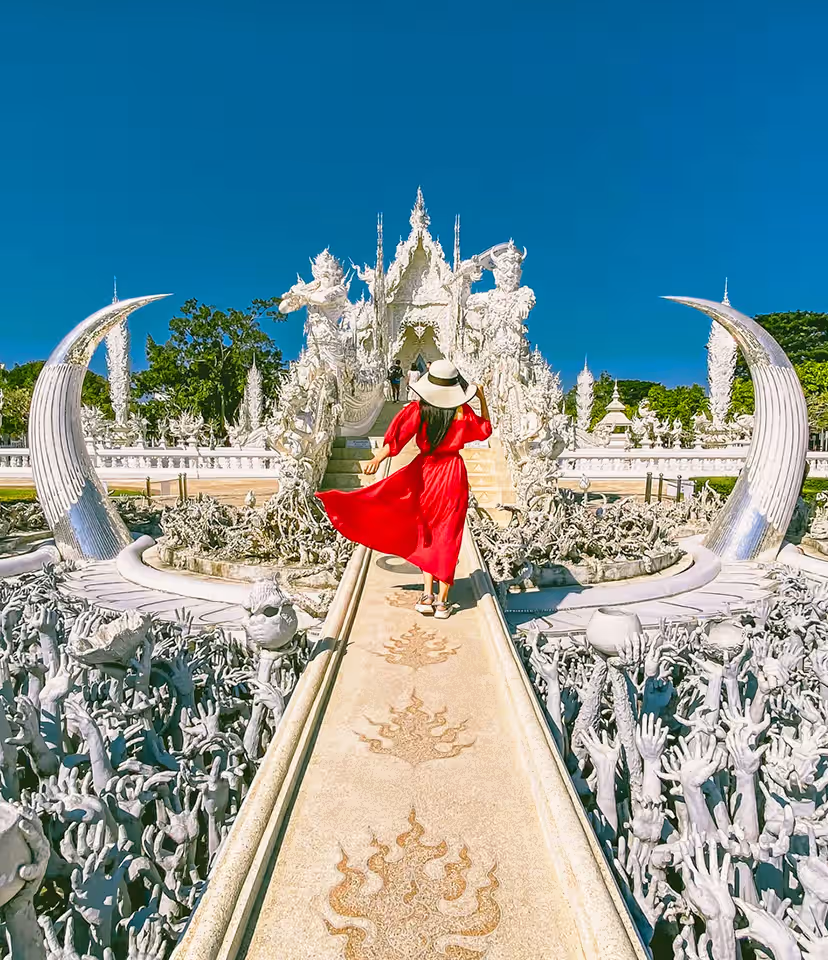
Chiang Rai features iconic temples, cultural institutions, and natural surroundings that reflect its spiritual and artistic identity.
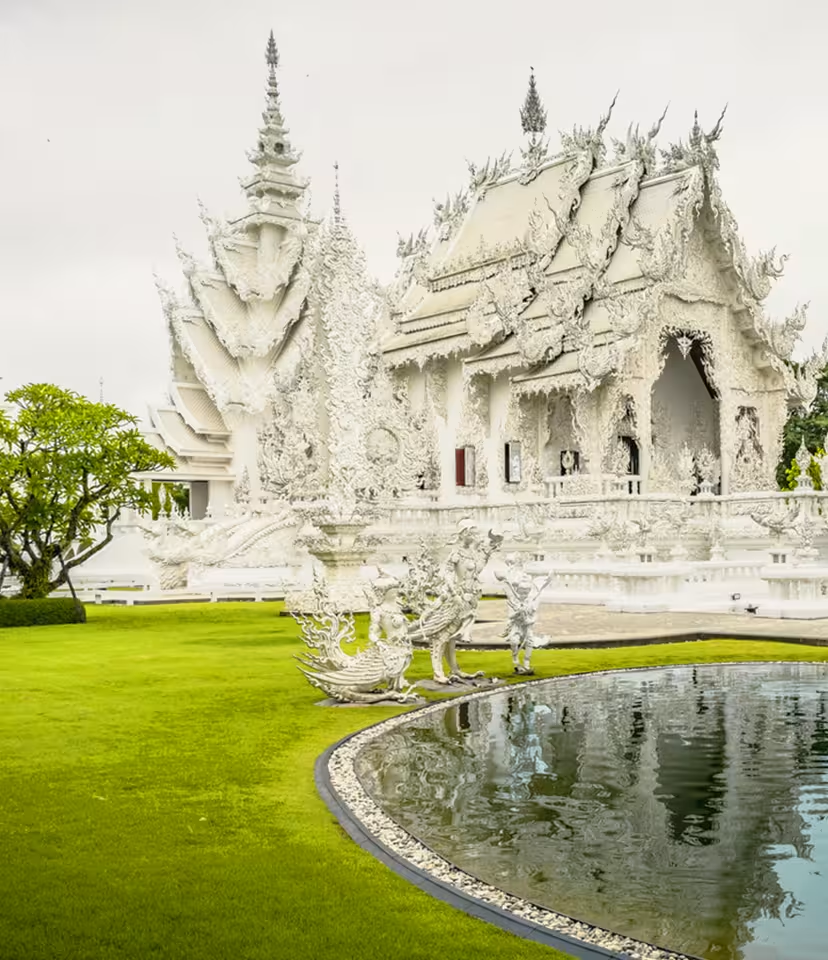
An internationally recognized temple known for its striking white façade and symbolic contemporary design.
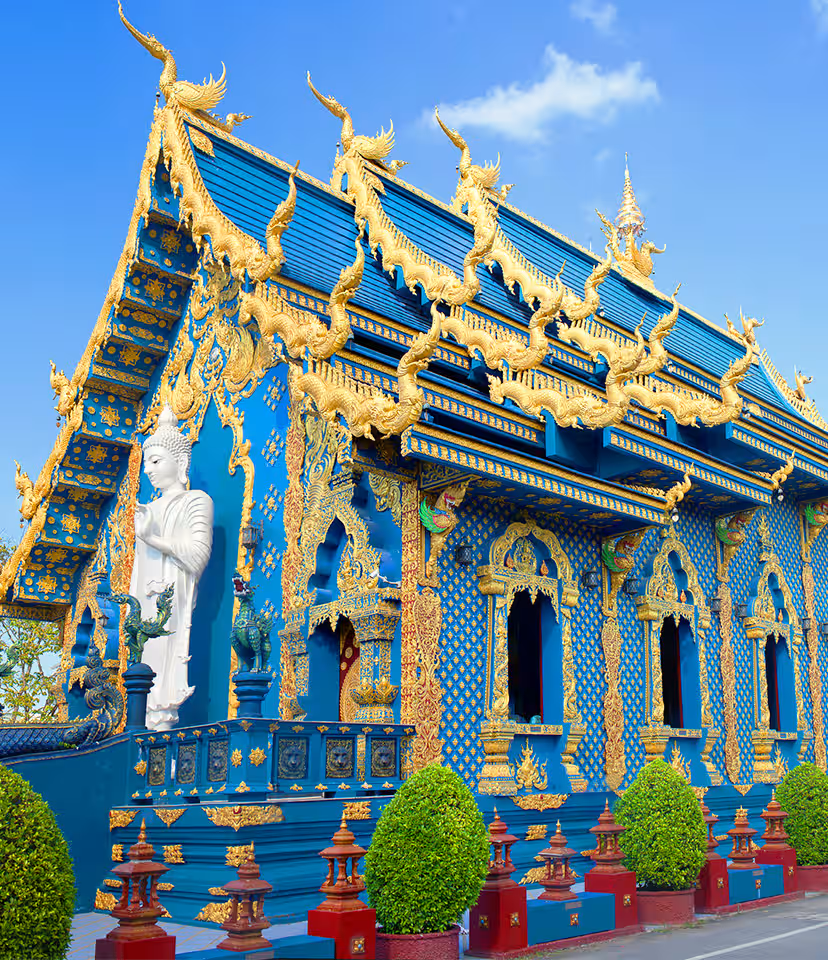
A vivid blue temple showcasing intricate artwork and a serene interior atmosphere.
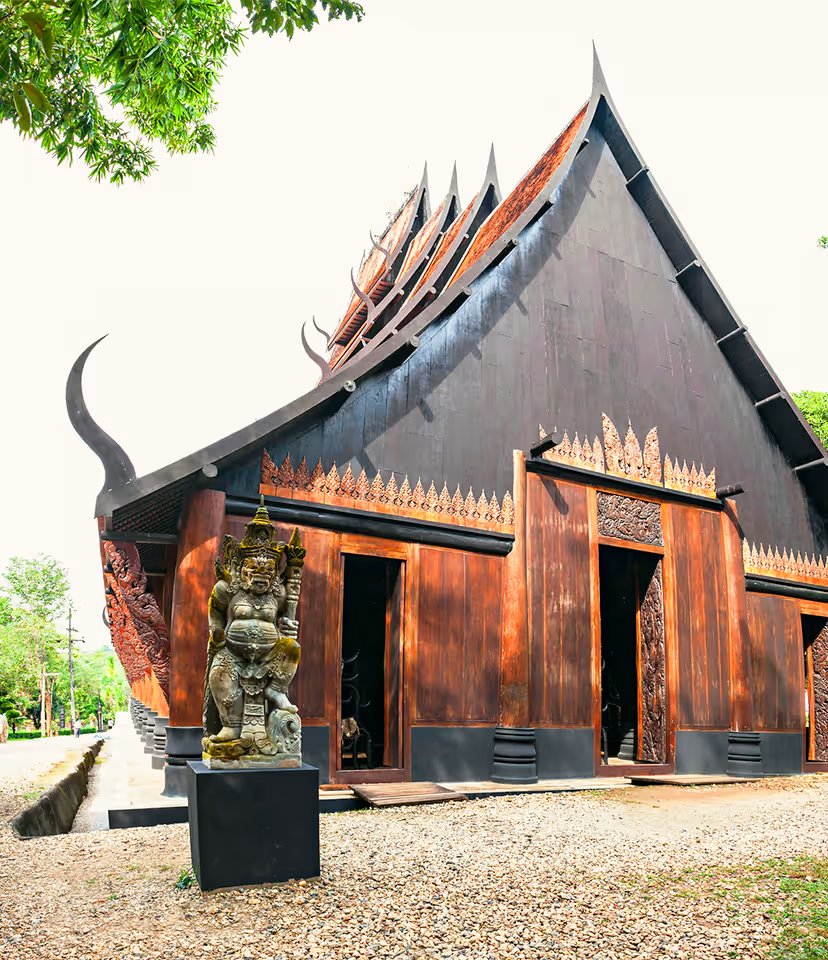
A collection of dark-toned structures and art pieces reflecting philosophical and cultural themes.

A historic region where Thailand, Laos, and Myanmar converge along the Mekong River.
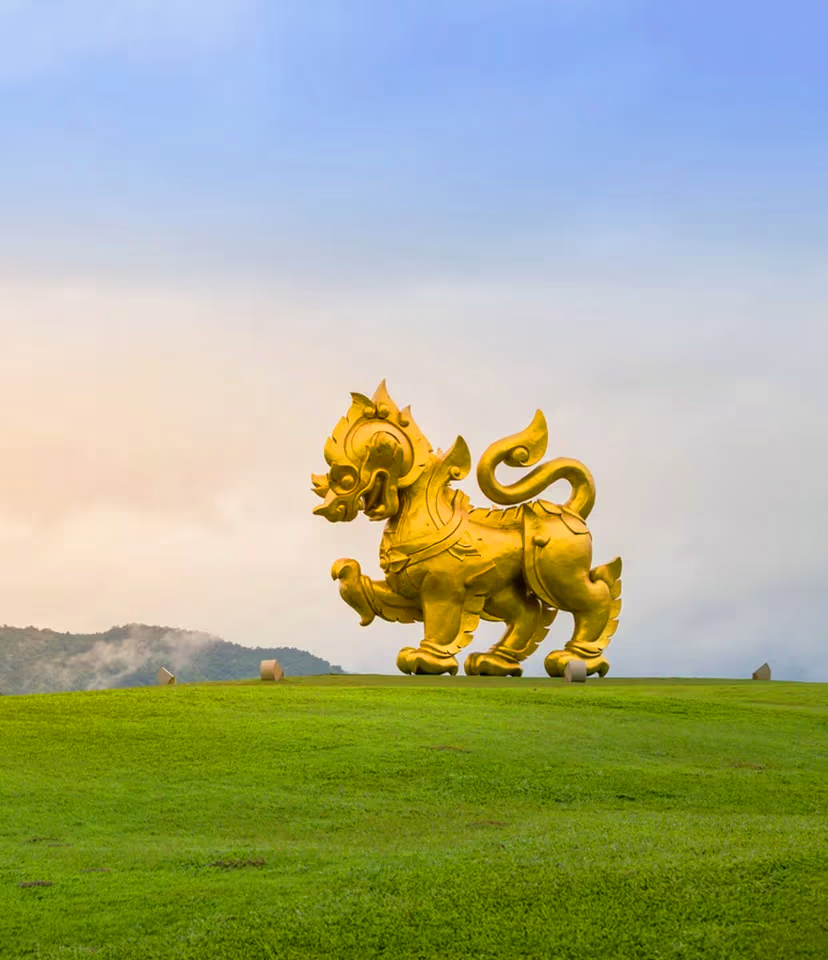
A landscaped park offering gentle countryside scenery, tea plantations, and open green spaces.
The most comfortable months are generally from November to February, when temperatures are cooler and skies are clearer.
