Get the best deals and travel ideas straight to your inbox and feed.
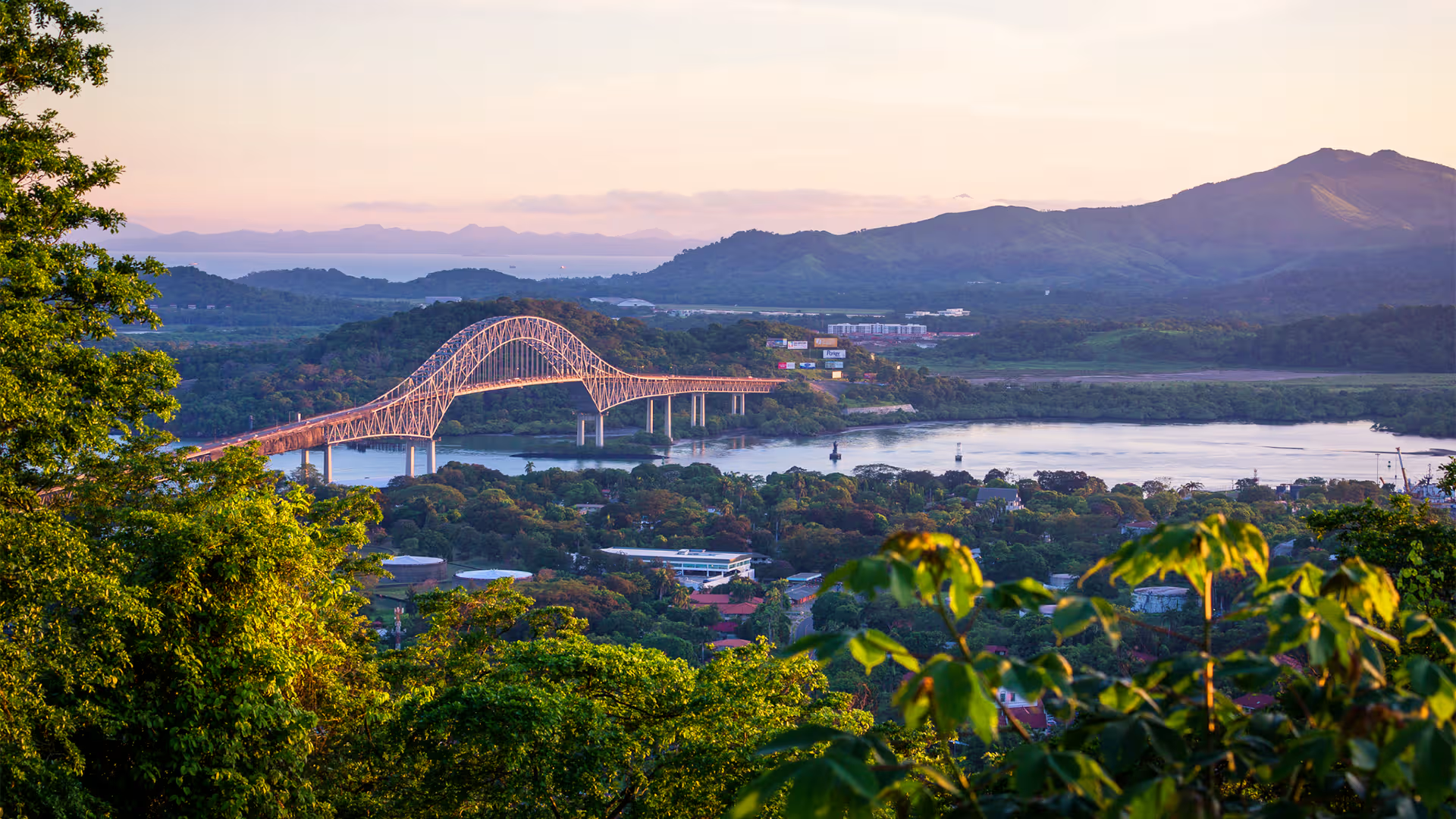

Most sailings run as repositioning voyages each spring and fall, crossing between the Caribbean and the Pacific as ships move between seasonal itineraries; a Panama Canal cruise from Florida heading west is the most common direction to book.

A full transit voyage typically runs ten to sixteen nights end to end, since it usually threads together Caribbean ports, the crossing itself and a run up or down the Pacific coast.

Most guests fly into Miami, Fort Lauderdale, Los Angeles or San Diego to join or leave the ship; we handle the flights, the hotel beforehand, the transfers and the extensions, backed by USTOA and IATA membership.

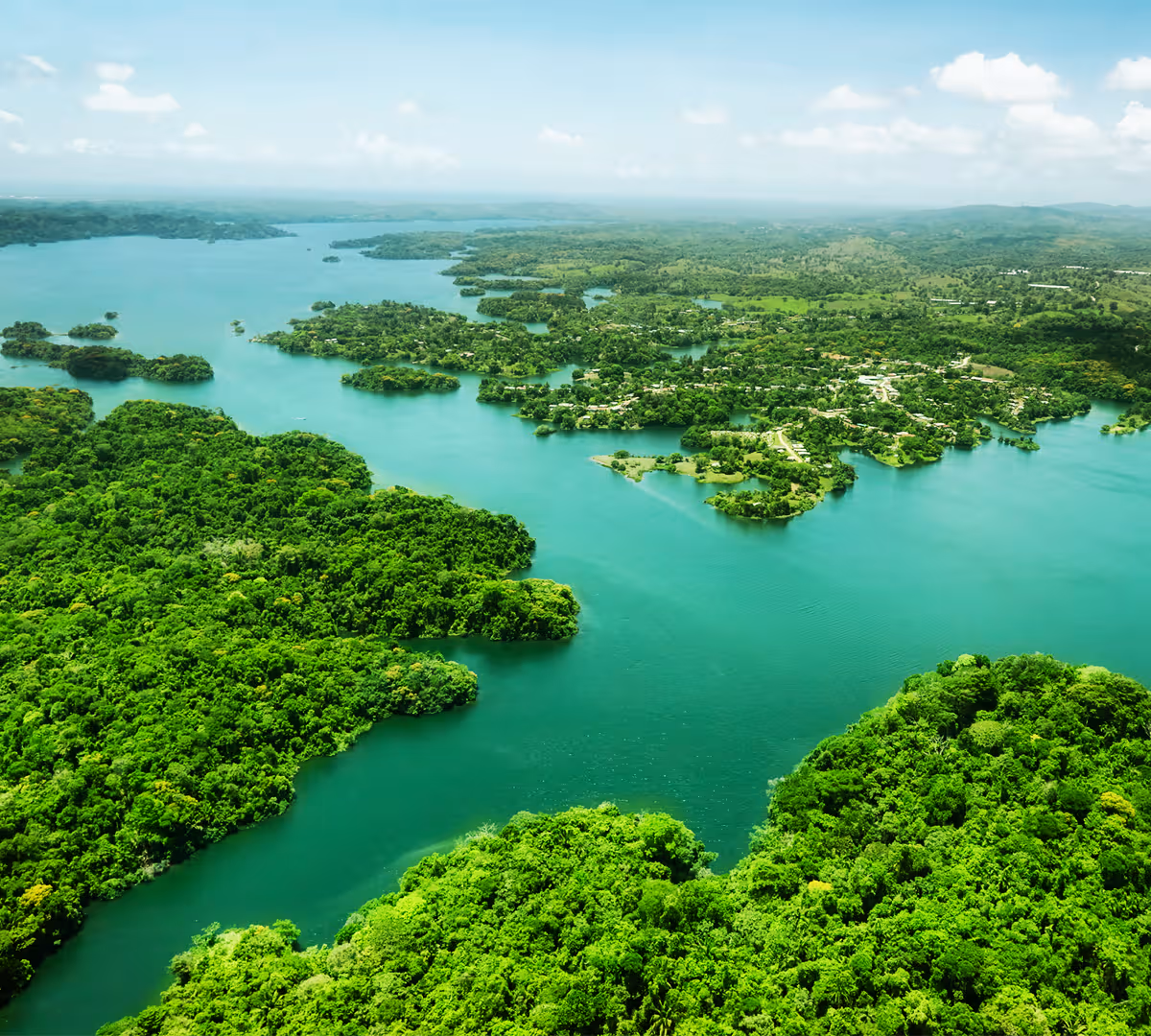
Explore the lush rainforests surrounding the canal, home to colourful birds, monkeys, sloths, and a remarkable variety of wildlife.

Extend your journey beyond the canal to explore tropical islands, beautiful beaches, and spectacular coastlines along both the Pacific and Caribbean.

Visit viewing areas around the canal to see enormous vessels being raised and lowered as they make their way through the waterway.
The canal transit is the day everyone remembers, but the ports on either side of it earn their place on the itinerary too.
Climb from sea level into cooler air and hanging bridges strung through a rainforest canopy alive with birds you have never heard before.
Stand at the rail as the chamber floods, the ship rises level with the walls beside it, and the gates ahead swing open onto the next stretch of canal.
Circle the top of Cartagena's four-hundred-year-old fortifications with the old town's rooftops spread out below on one side and the sea on the other.
Wander colonial streets and Maya sites reached from port that were already centuries old when the first lock gate ever closed.
Slip into clear water beside a natural stone arch, with sea lions occasionally curious enough to swim over for a look.
Sit in on a bridge briefing or an onboard lecture from a pilot or historian who can point out exactly what you are seeing before it happens.
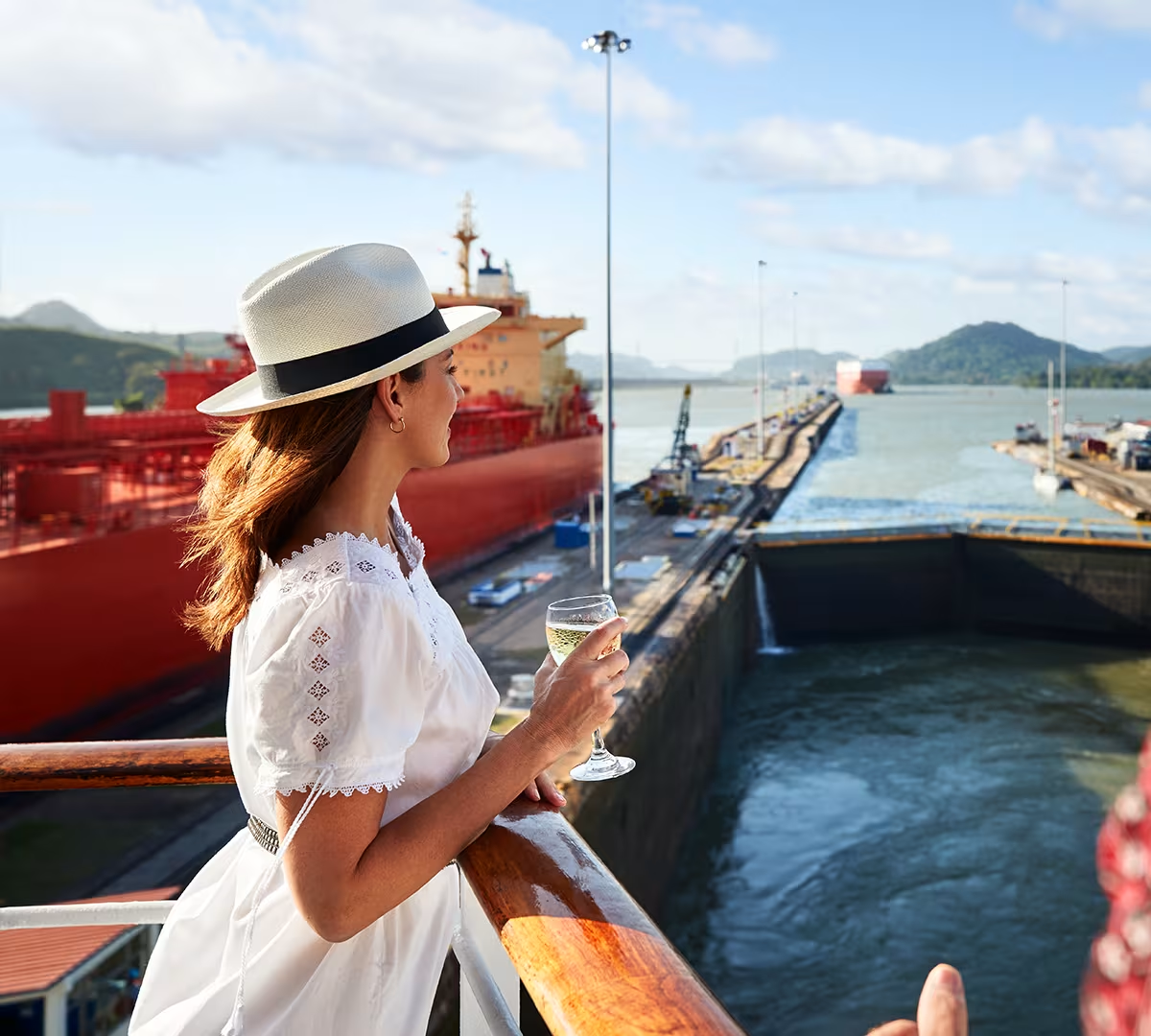
A full transit Panama Canal cruise typically threads together Caribbean and Pacific-coast ports on either side of the crossing itself.
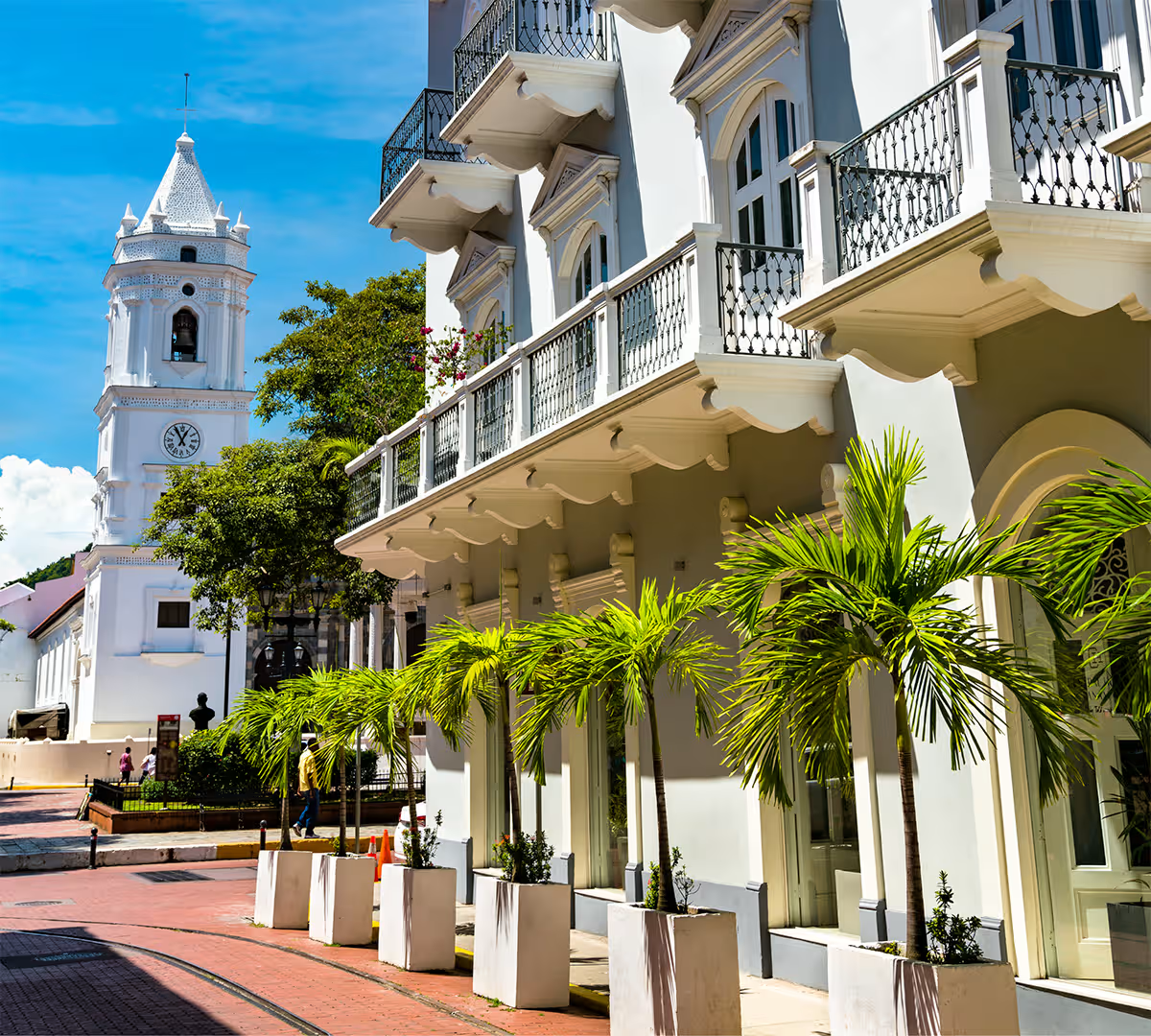
Panama's cosmopolitan capital combines impressive modern architecture with historic neighbourhoods and lively waterfront areas. Explore Casco Viejo, discover museums and cultural attractions, or enjoy the city's diverse dining and entertainment scene.
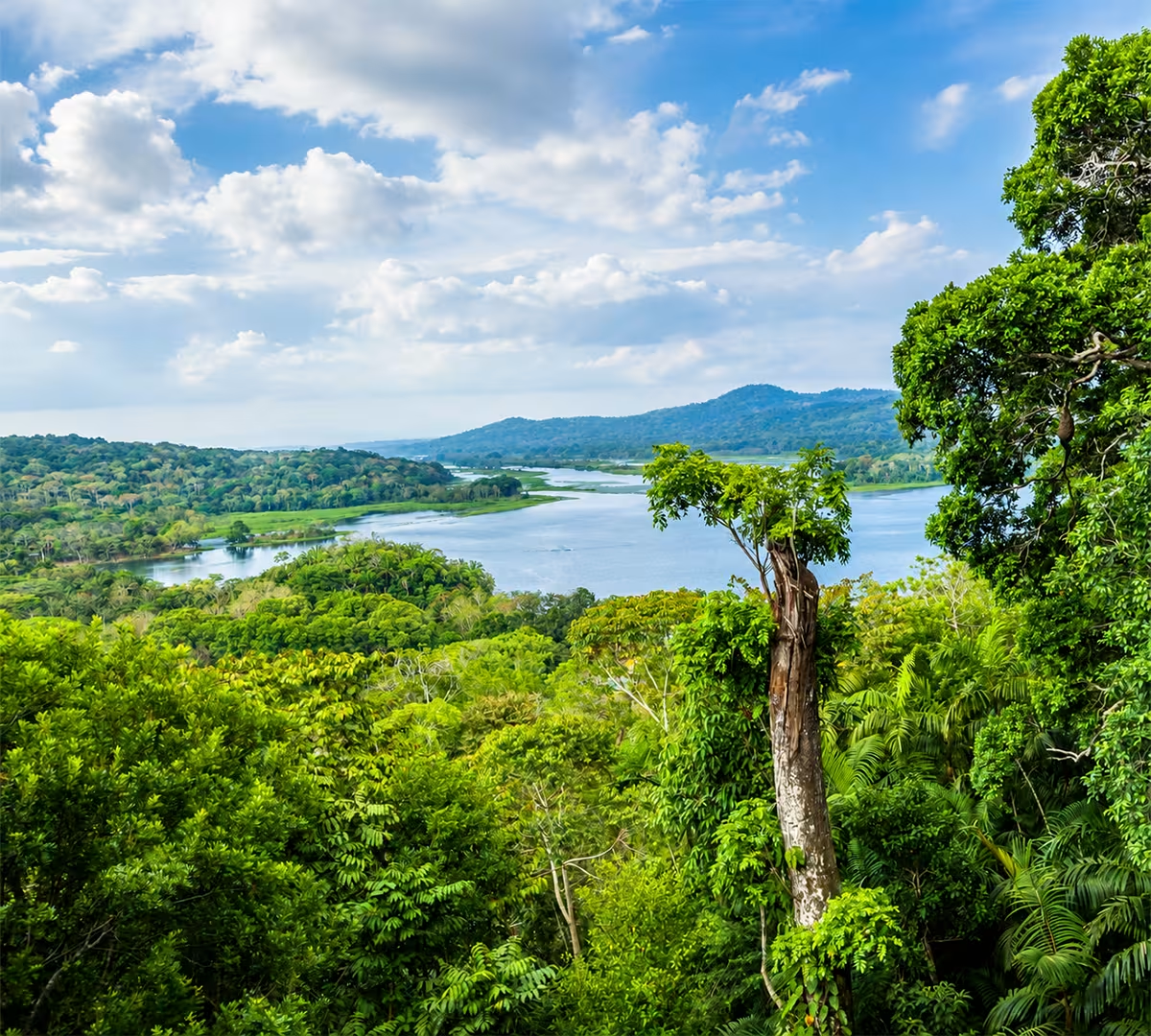
Gatun Lake forms a major part of the Panama Canal and is surrounded by dense tropical rainforest. Boat excursions provide an excellent opportunity to appreciate the area's scenery while looking for monkeys, birds, sloths, and other wildlife.
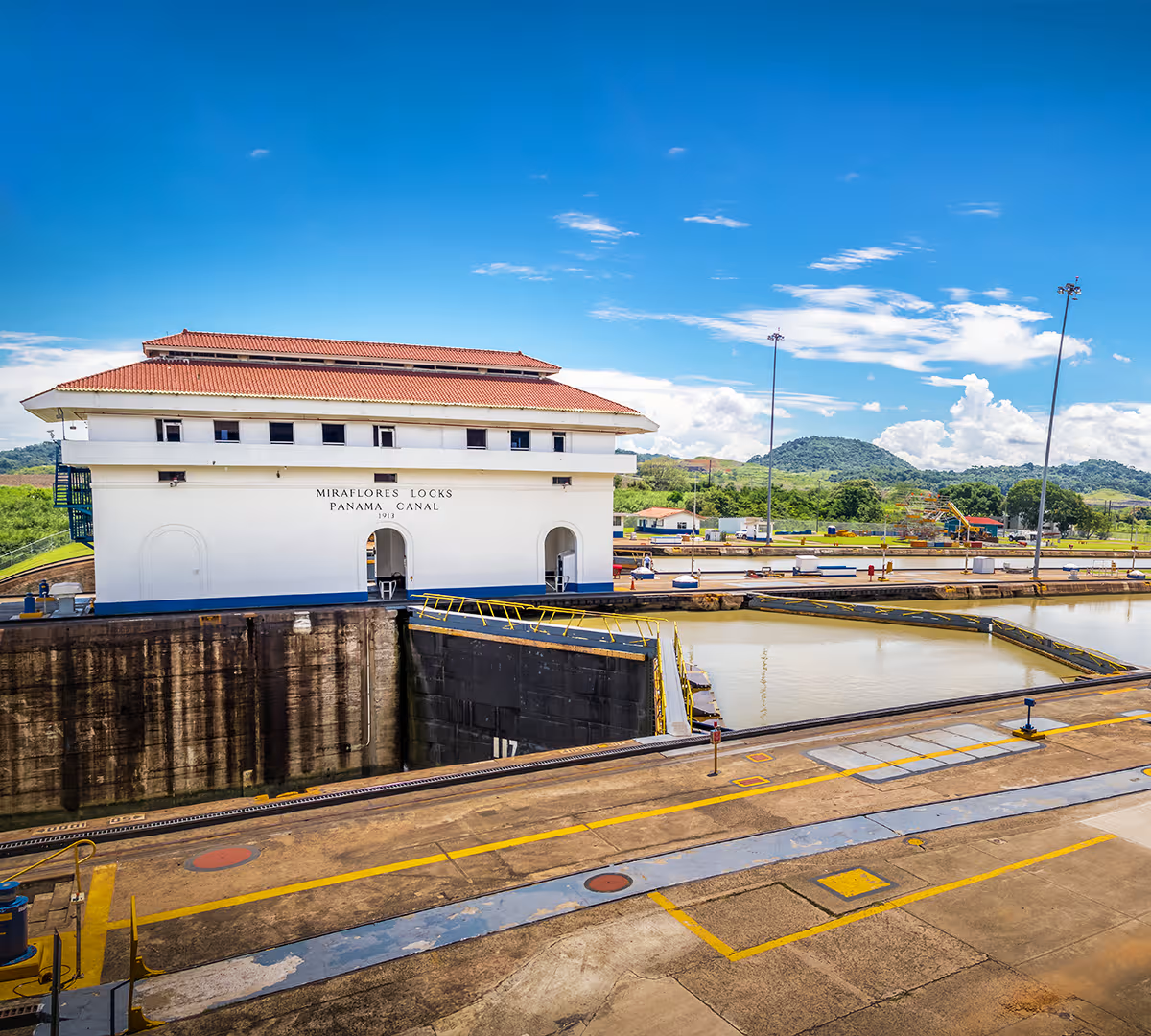
One of the most accessible sections of the Panama Canal, Miraflores Locks offers excellent opportunities to watch ships pass through the lock system. Visitors can also learn about the canal's construction, history, and continued global importance.
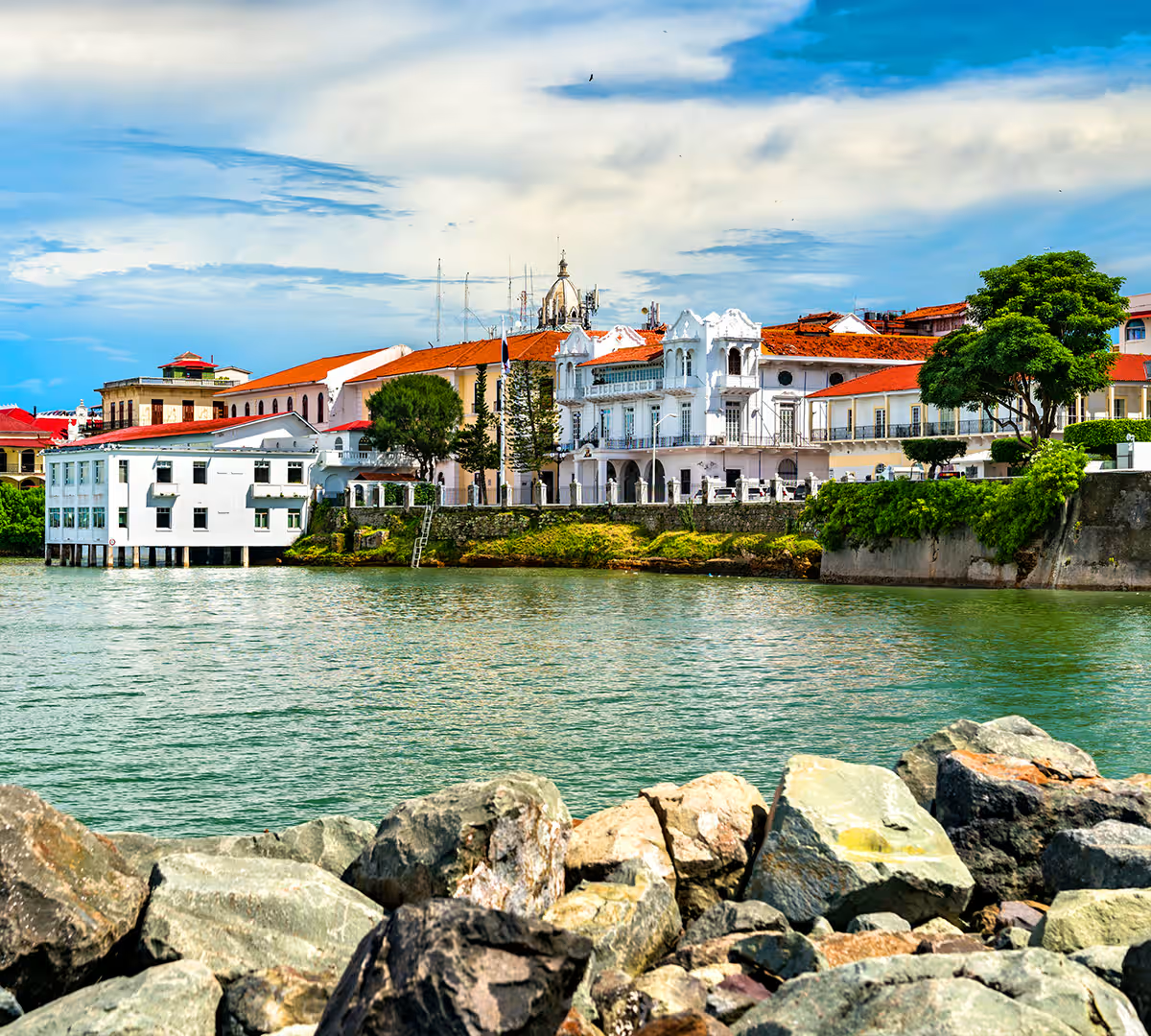
Panama City's historic district is known for colourful colonial buildings, charming squares, historic churches, and lively streets. Its atmospheric setting offers a fascinating glimpse into Panama's past alongside stylish cafés, restaurants, and cultural venues.
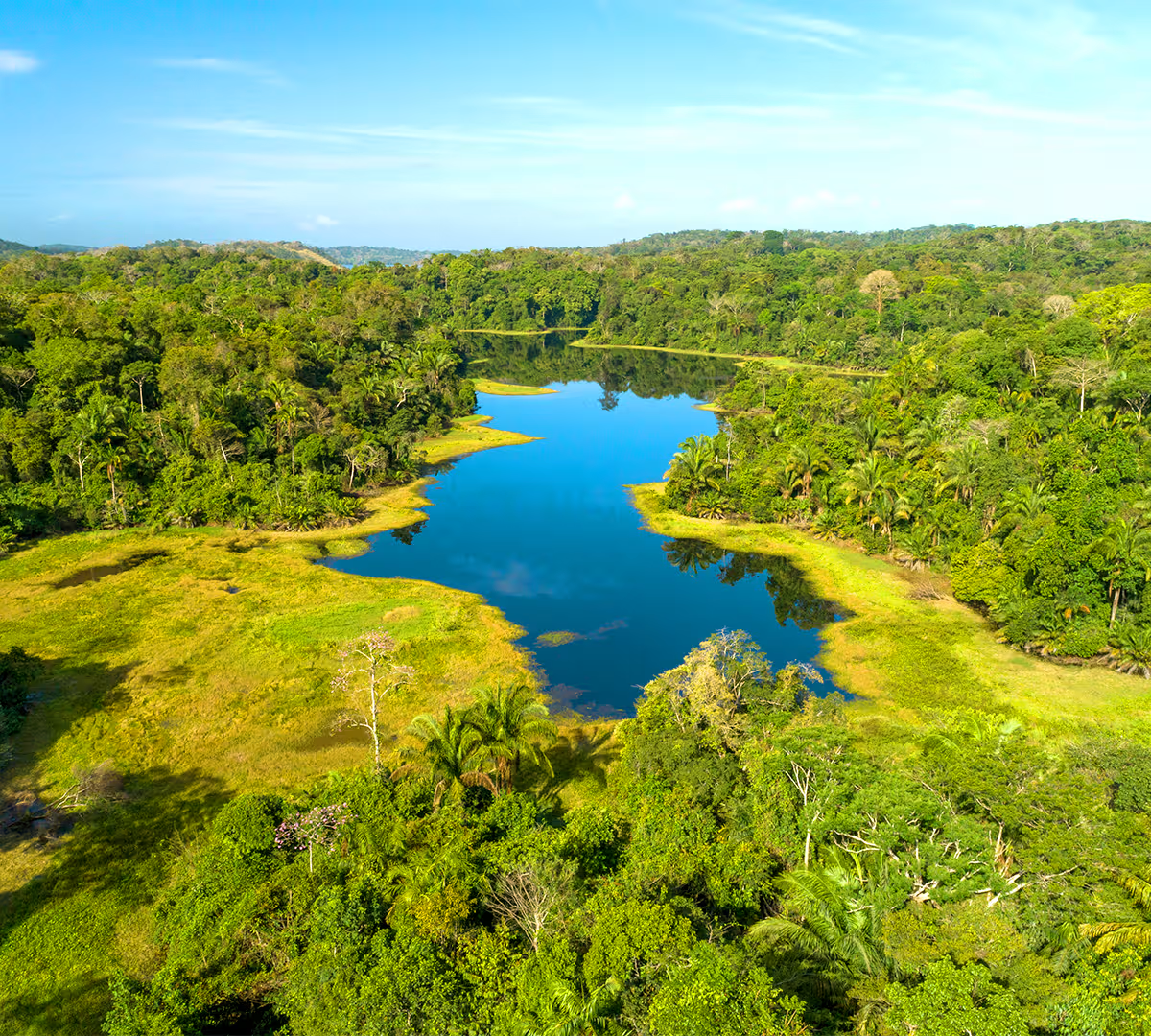
Located close to the Panama Canal, Soberanía National Park protects extensive tropical rainforest and supports an impressive variety of wildlife. Its trails are particularly appealing for nature lovers, birdwatchers, and travellers seeking a glimpse of Panama's wild side.
Here is what makes this crossing different from any other day at sea: nobody drives through the Panama Canal, and no other vessel gives you a view of it quite like the deck of your own ship. Transit slots are assigned in advance by the canal authority, so the exact hour your ship enters the first lock is set months ahead, and the whole passage from ocean to ocean typically unfolds over eight to ten daylight hours. Panama Canal cruise 2026 sailings are already filling into the better suite categories, and Panama Canal cruise 2027 itineraries go on sale while this season is still under way, so early planners get first choice of ship and date. Please note: Panama Canal cruise itineraries are flexible by nature, and transit timing, port calls and scenic cruising may vary according to canal authority scheduling, weather and operational conditions.



