Get the best deals and travel ideas straight to your inbox and feed.
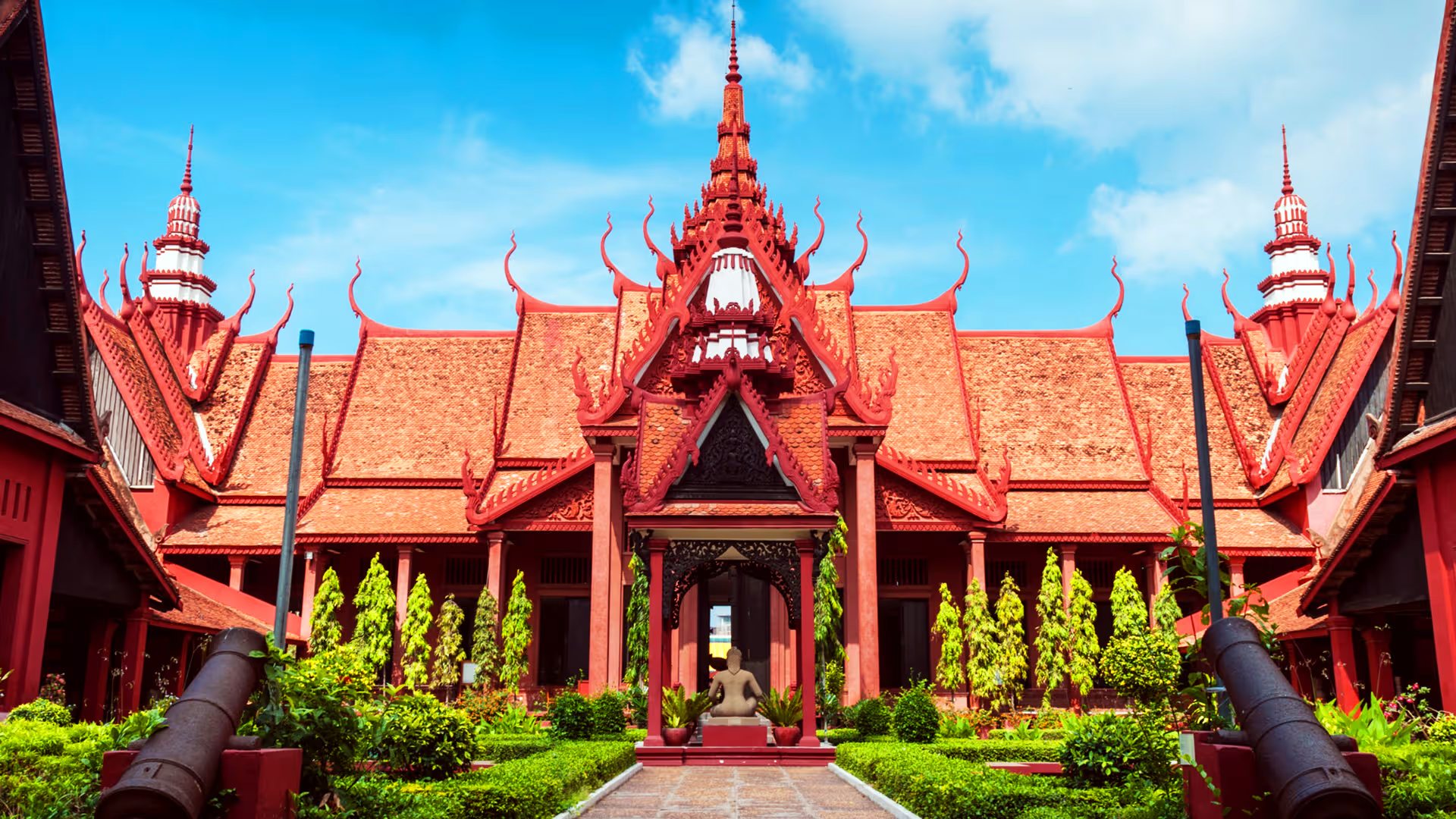
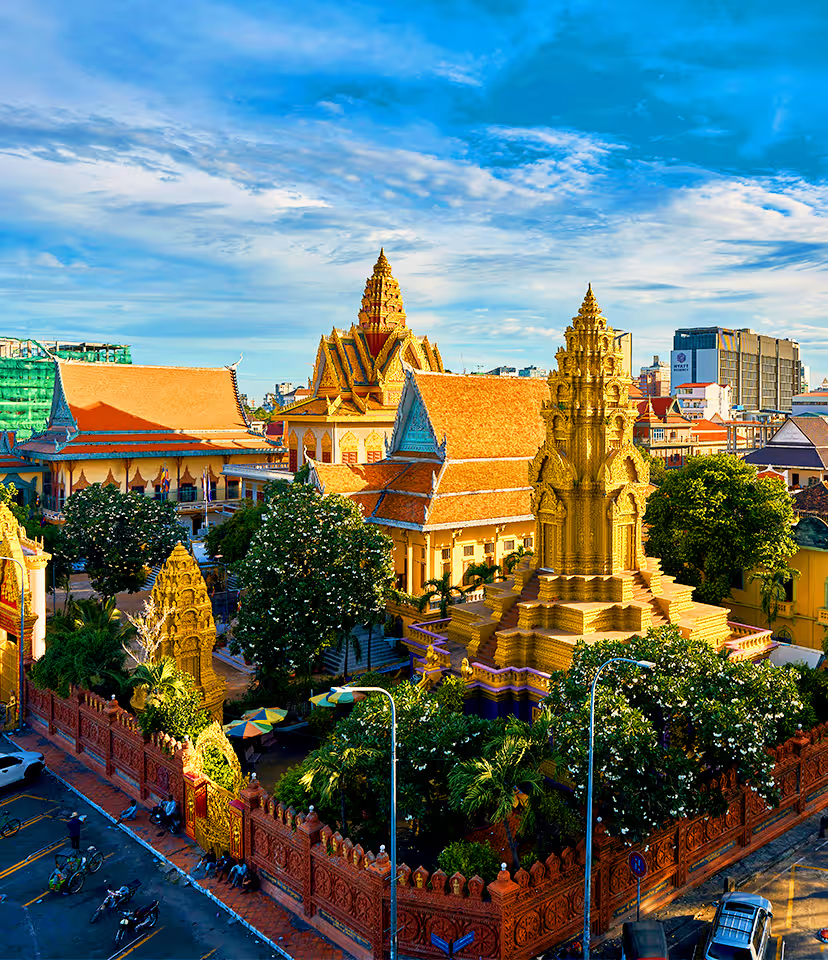

Cambodia preserves one of Asia’s most influential ancient civilizations, visible through monumental architecture and enduring spiritual traditions.

Vast temple complexes demonstrate advanced engineering, symbolic design, and artistic precision unmatched in scale and detail.

Local customs, crafts, and daily routines remain integral to community life, allowing respectful cultural engagement.

Rivers, farmlands, and open landscapes shape Cambodia’s natural beauty and support its traditional way of life.

Reliable transport, well-established accommodations, and welcoming service make exploration accessible and smooth.

Each region offers a distinct character, encouraging travelers to look past headline sights and discover quieter places.
Things to do in Cambodia include exploring ancient temples, discovering local cuisine, traveling along historic rivers, visiting cultural sites, and experiencing traditional village life rooted in centuries-old customs.
Sample regional dishes built around rice, freshwater fish, herbs, and slow-cooked flavors rooted in local agriculture.
River journeys provide insight into village life, seasonal rhythms, and Cambodia’s long-standing reliance on waterways.
Gain perspective on Cambodia’s past and present through thoughtfully preserved cultural and memorial sites.
Countryside travel highlights craftsmanship, farming traditions, and everyday life beyond urban centers.
Explore vast religious complexes that reflect Cambodia’s spiritual beliefs, artistic achievement, and historical influence across Southeast Asia.
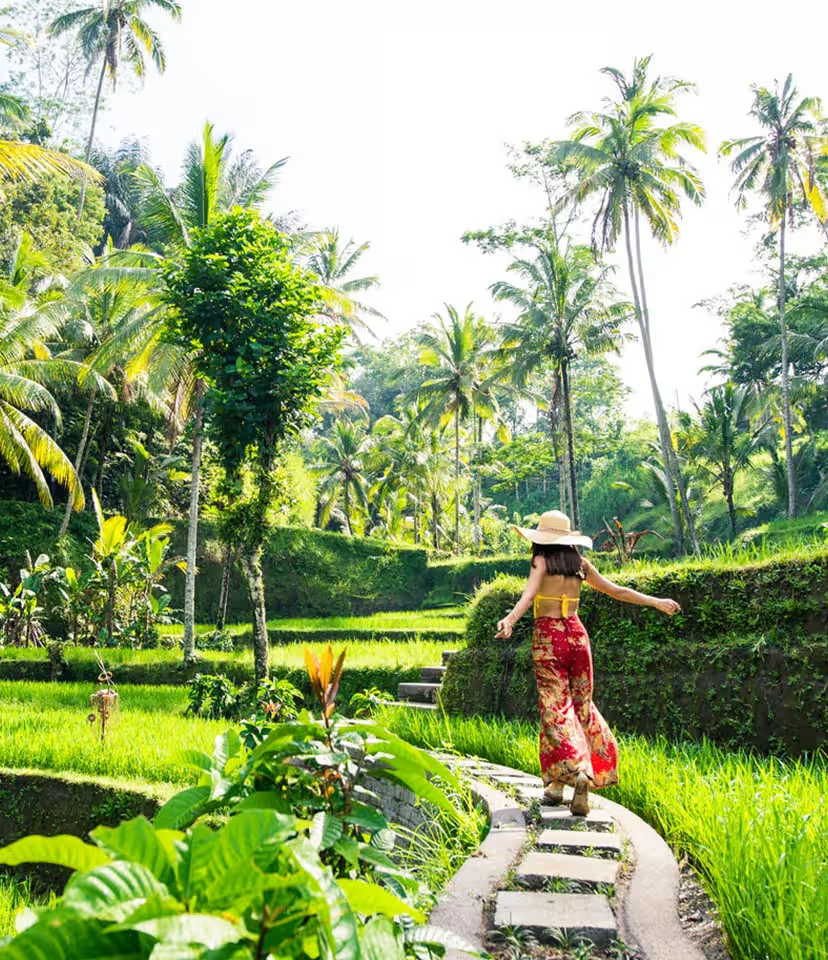
Cambodia offers ancient temples, river landscapes, cultural landmarks, and traditional communities, presenting a destination shaped by history, spirituality, and a strong sense of place.
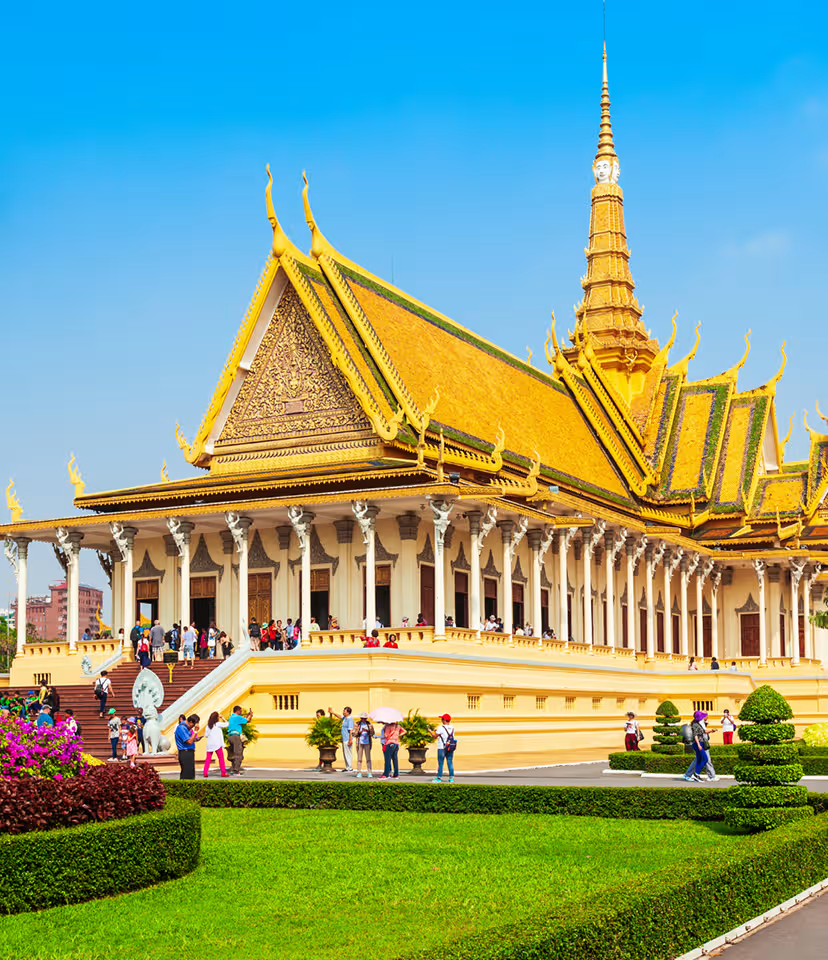
The capital city reflects Cambodia’s royal heritage, colonial influences, and modern growth along the Mekong River.
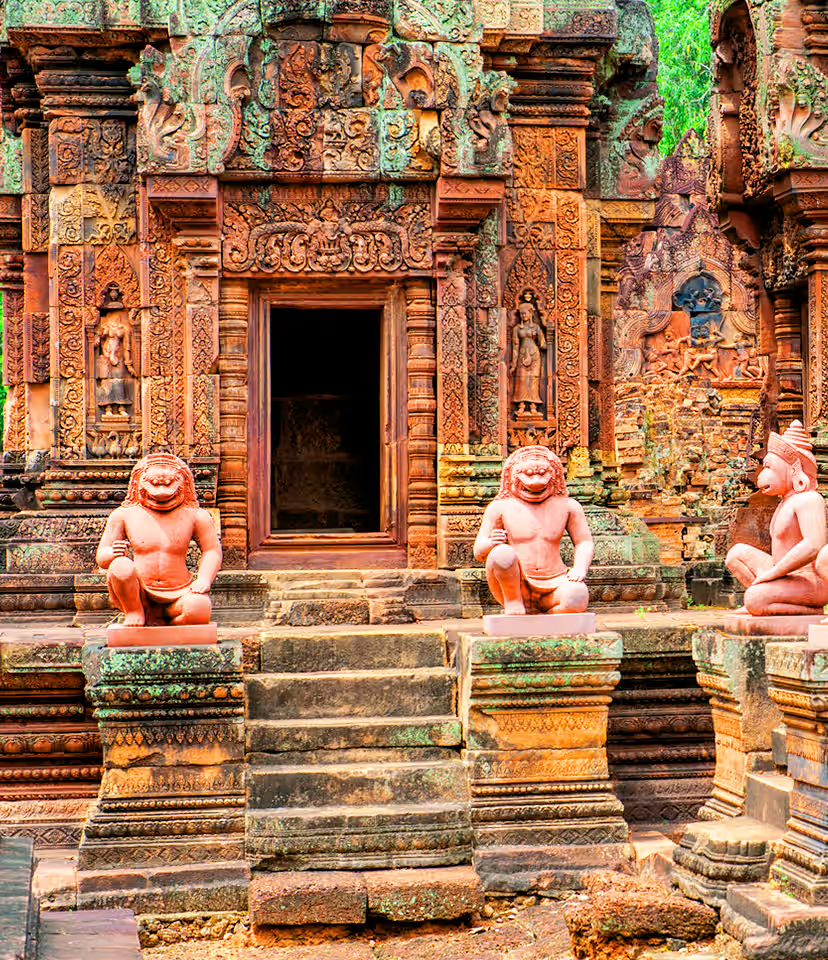
Angkor Wat stands as the centerpiece of Khmer civilization, known for its scale, symmetry, and religious symbolism that continue to define Cambodia’s cultural identity.
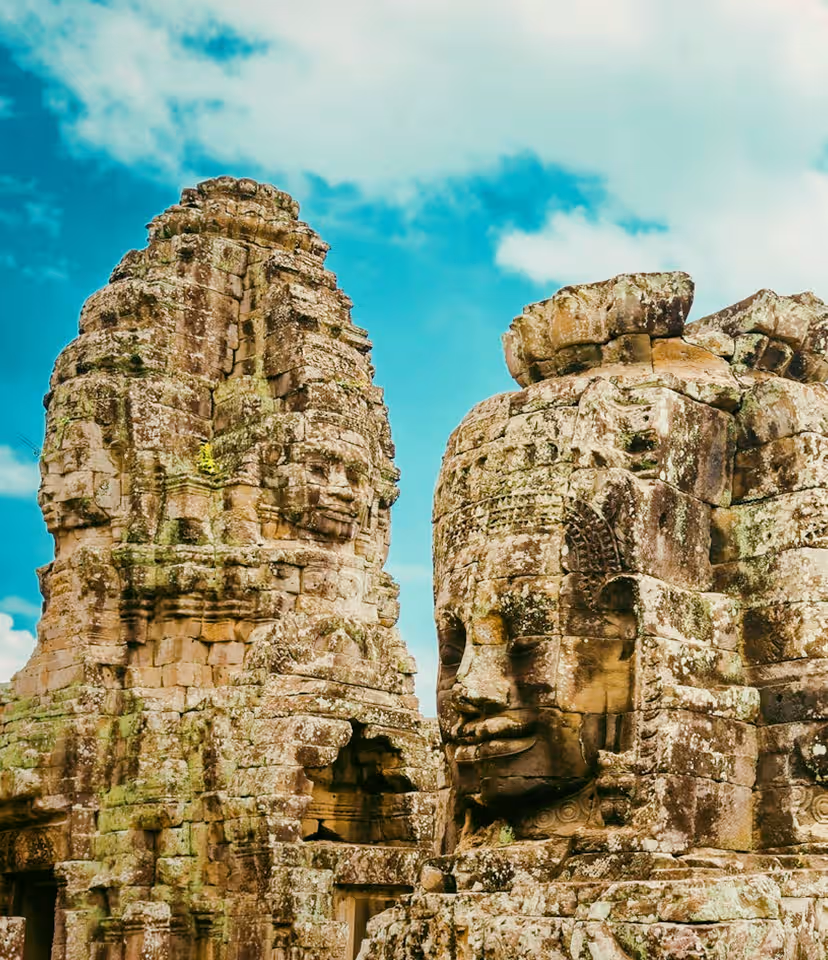
Siem Reap serves as a cultural base for exploring Angkor, combining historic access with markets, galleries, and refined lodging.
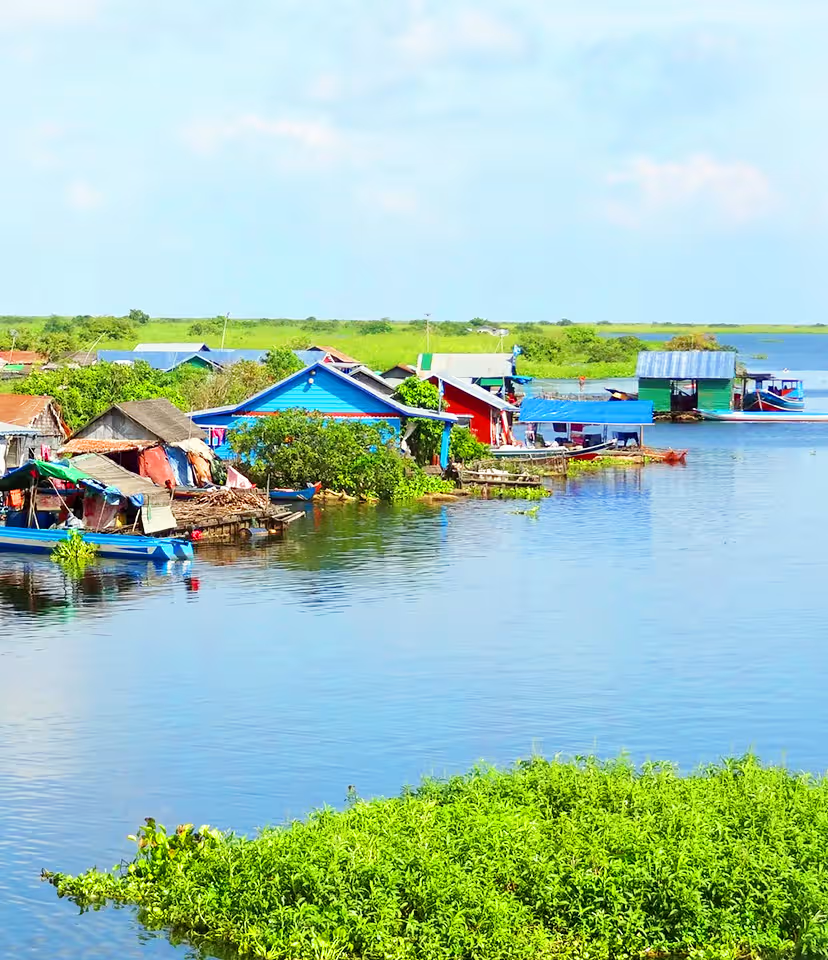
This vast freshwater lake supports floating communities and ecosystems shaped by dramatic seasonal water changes.
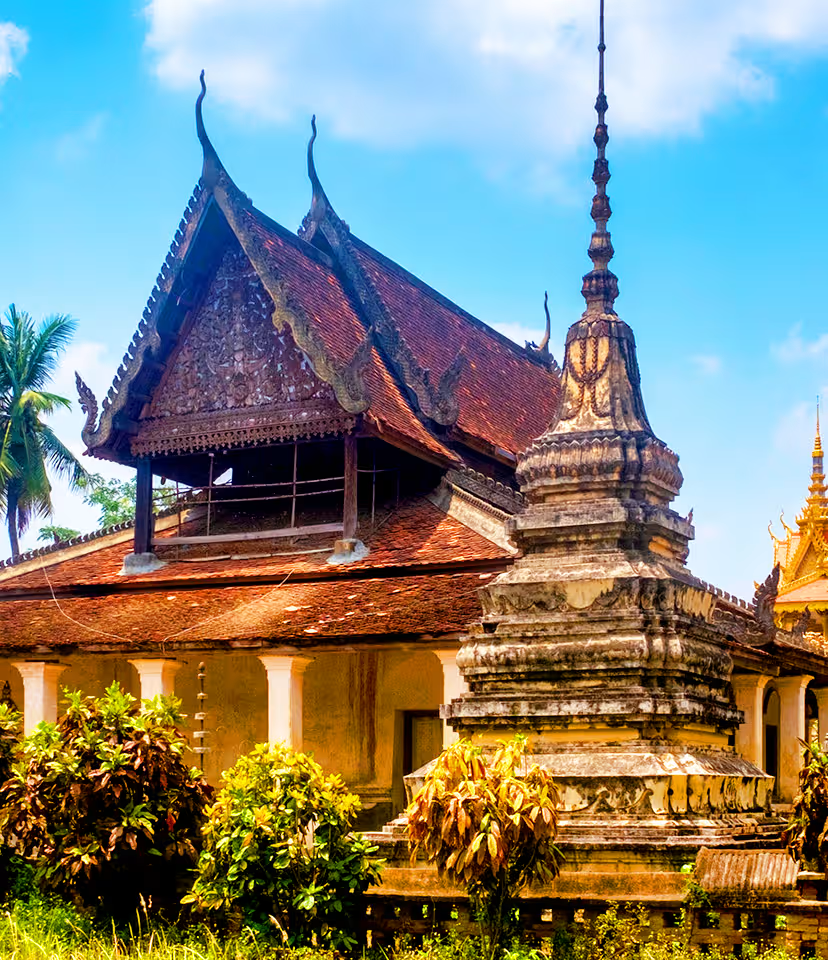
Battambang is known for its preserved architecture, creative scene, and access to Cambodia’s agricultural heartland.
The most favorable months are November through March, when temperatures are milder and rainfall is lower.



