Get the best deals and travel ideas straight to your inbox and feed.
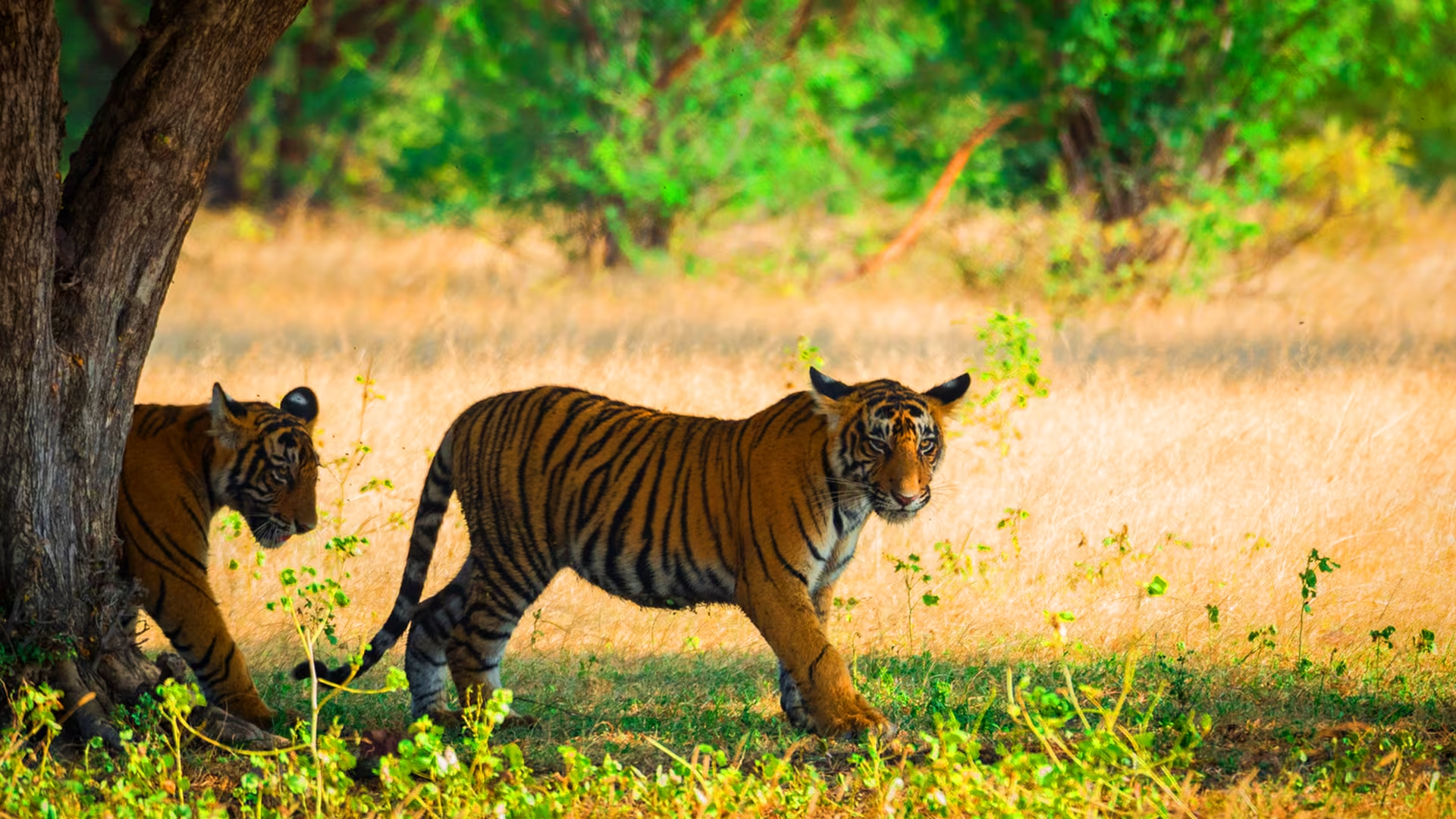

Ranthambore is internationally renowned for its healthy Bengal tiger population. Expert-guided safaris provide excellent opportunities to observe these magnificent predators in their natural habitat.

The park supports leopards, sloth bears, striped hyenas, crocodiles, deer, langurs, and more than 300 bird species across a variety of natural habitats.

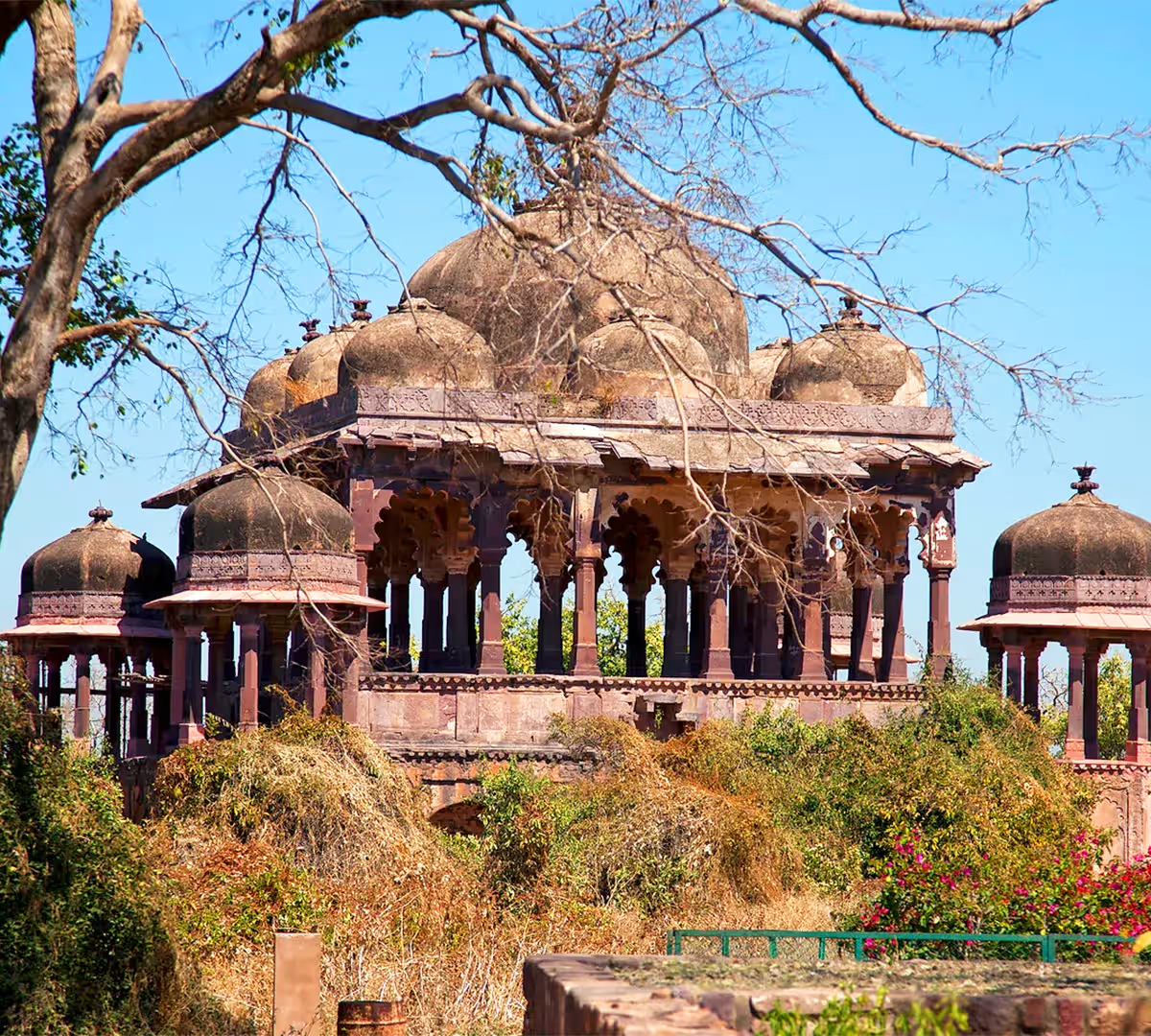
Ranthambore Fort dominates the landscape from a rocky hilltop, combining centuries of Rajput history with panoramic views across the national park.

Ancient banyan trees, lakes, rugged cliffs, grasslands, and dense forests create one of Rajasthan's most striking wilderness environments.

Morning and evening safaris offer exceptional lighting and frequent wildlife activity, making Ranthambore a favorite destination for nature photographers.

Elegant jungle lodges, knowledgeable naturalists, and expertly organized game drives combine comfort with immersive wildlife exploration.
Experience Ranthambore through thrilling safaris, wildlife photography, heritage exploration, and guided nature experiences in one of India's premier national parks.
Explore the UNESCO-listed hilltop fortress while enjoying panoramic views across forests, lakes, and surrounding wilderness.
Capture remarkable images of tigers, birds, crocodiles, and scenic landscapes during early morning or afternoon safaris.
Discover hundreds of resident and migratory bird species around the park's lakes, forests, and wetlands.
Experience Rajasthan's wilderness from luxury accommodations designed to complement the park's natural surroundings.
Search for Bengal tigers and other native wildlife while exploring the park with experienced naturalist guides.
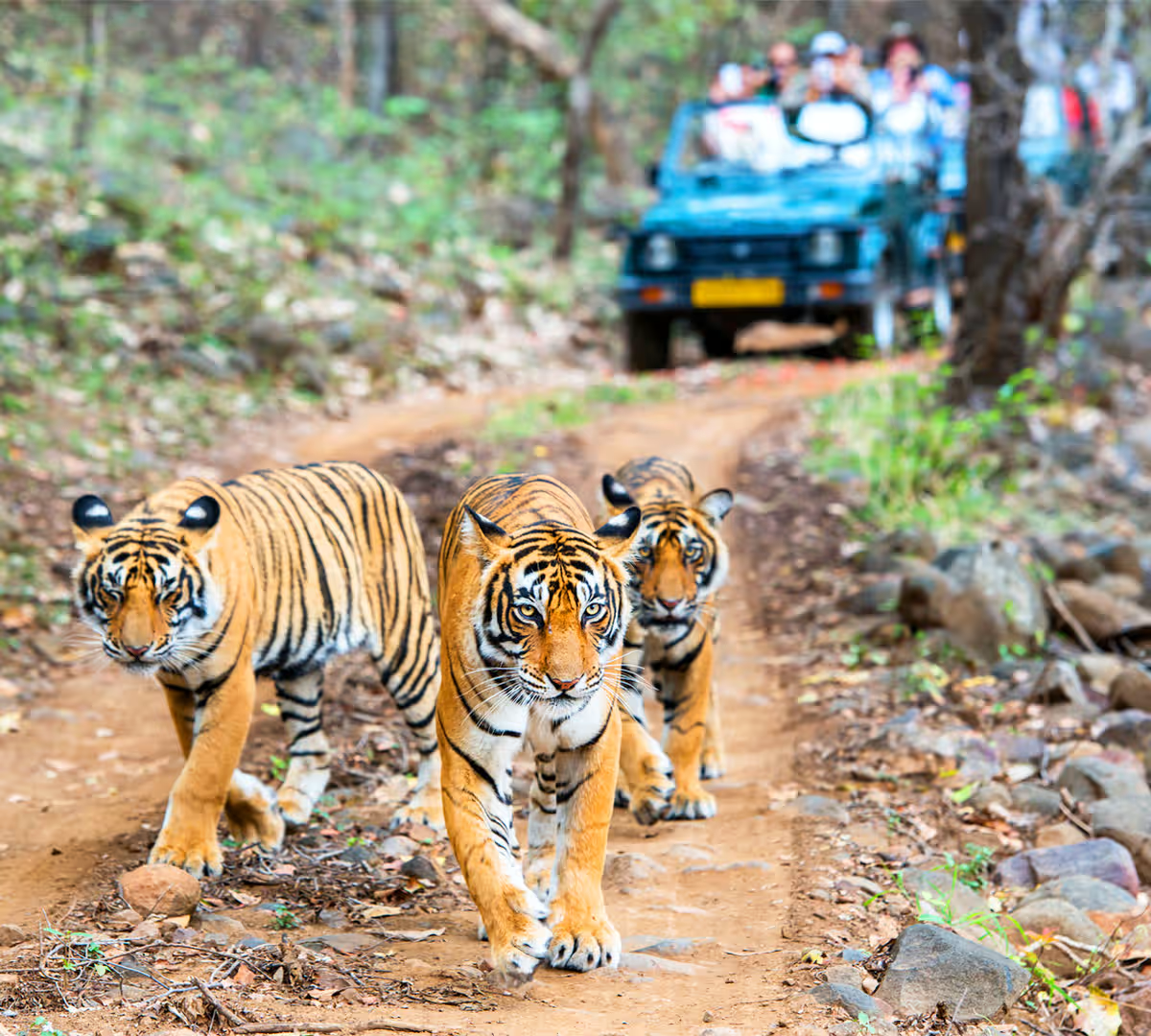
Ranthambore's defining attractions combine extraordinary wildlife, Rajput heritage, and dramatic natural landscapes within one of India's finest national parks.
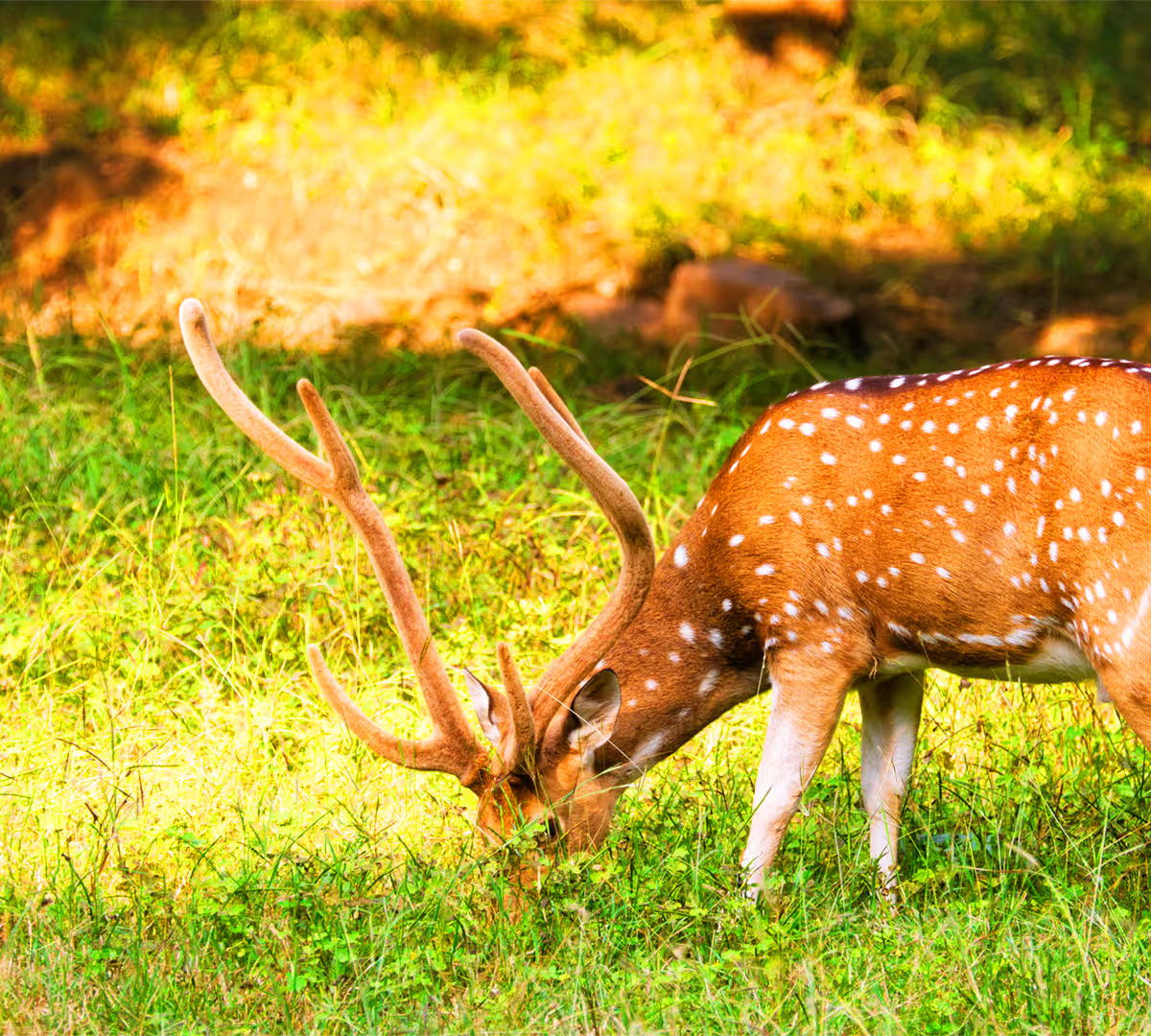
One of India's most famous tiger reserves, Ranthambore National Park protects diverse ecosystems where Bengal tigers, leopards, sloth bears, crocodiles, and abundant birdlife thrive across forests, lakes, and grasslands.
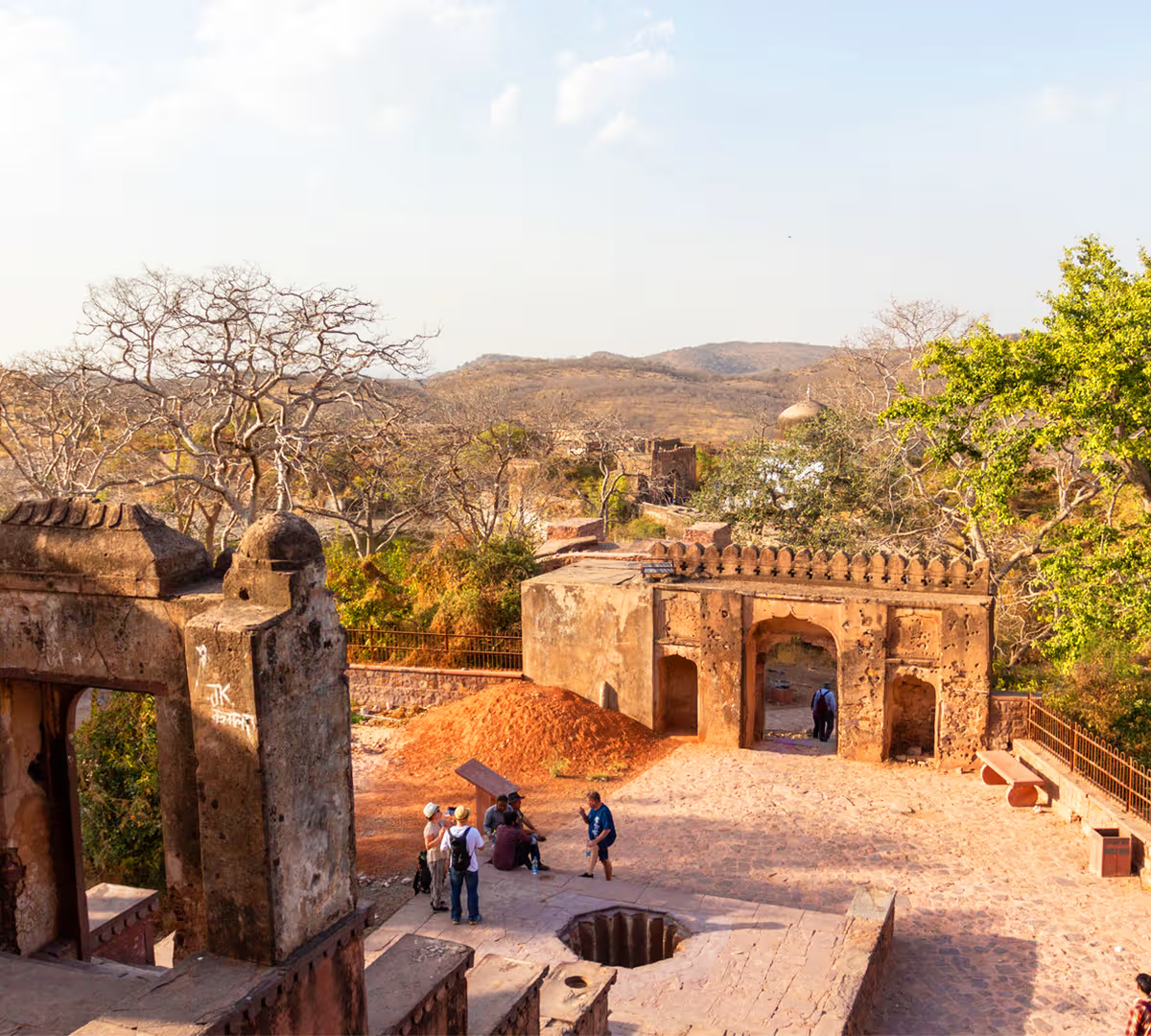
Recognized as part of UNESCO's Hill Forts of Rajasthan, Ranthambore Fort dates back to the tenth century. Ancient temples, reservoirs, and commanding viewpoints reveal its strategic and historical importance.
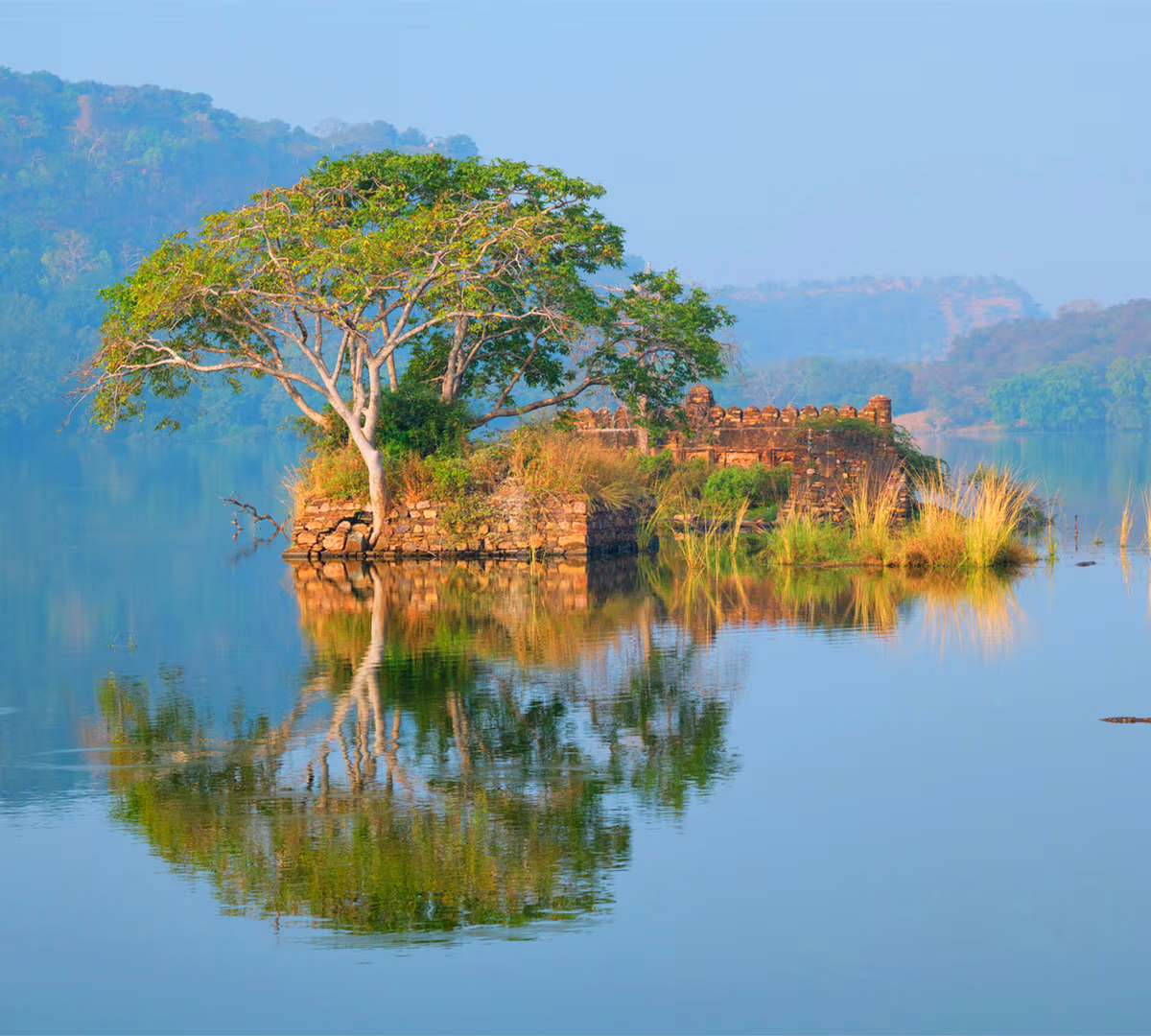
The park's largest lake attracts numerous wildlife species, particularly during the dry season. Visitors frequently spot deer, crocodiles, birds, and occasionally tigers approaching the shoreline.
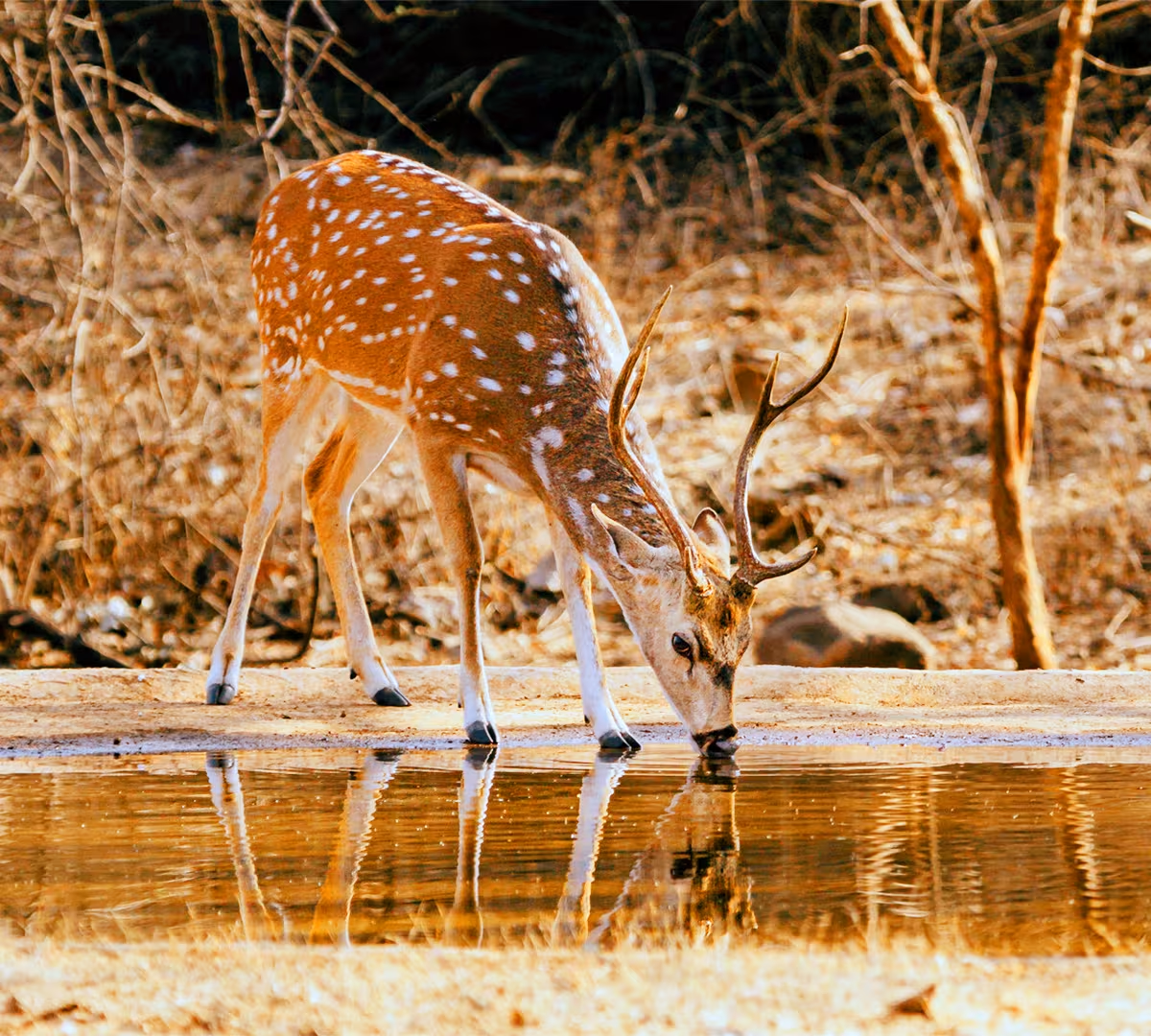
The smallest of Ranthambore's three famous lakes, Malik Talao is one of the park's finest wildlife-viewing locations. Marsh crocodiles, kingfishers, painted storks, deer, and Bengal tigers are frequently spotted along its peaceful shores, making it a favourite stop on safari routes.

Scattered among lakes and woodland, the atmospheric ruins of ancient pavilions and palaces create one of Ranthambore's most photogenic landscapes, where wildlife frequently wanders through centuries-old structures.
